
History & Heritage · Before They Became Famous · Edition 001
Before He Became Mzee: The Fascinating Life of Jomo Kenyatta Before Politics
An orphan, a livestock herder, a carpenter and a water-meter reader. Before becoming Kenya's first president, Jomo Kenyatta lived a life that few would associate with the man whose name would become part of a nation's identity.
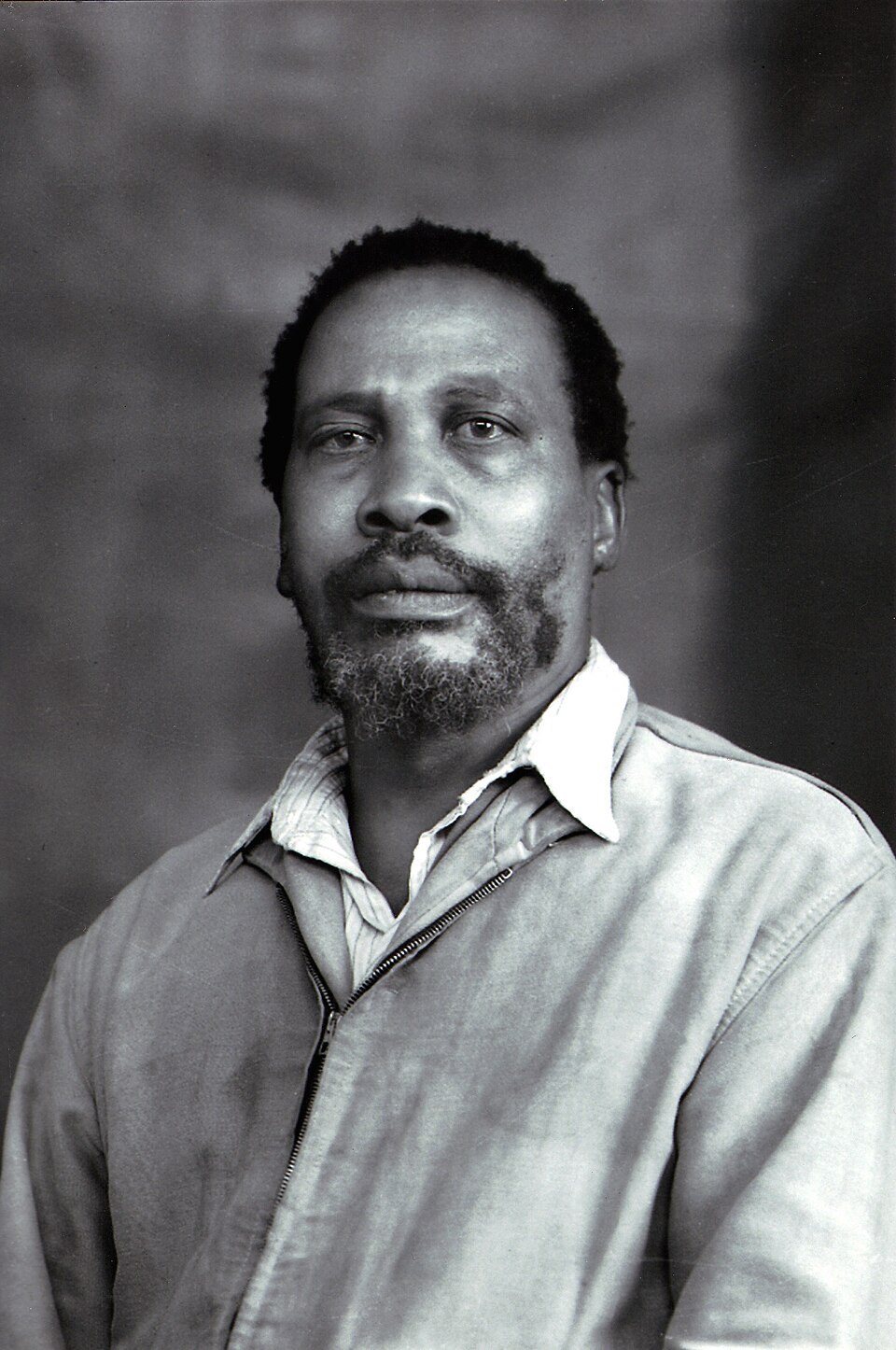
There was a time when the name Jomo Kenyatta meant nothing to the world.
There was no international airport bearing his name, no university named in his honour and no portrait of him on the country's currency.
Instead, there was a young boy called Kamau, growing up in the countryside of central Kenya, surrounded by livestock, traditional homesteads and a community whose way of life was undergoing enormous change.
Before his name became associated with Kenya's independence, Kamau experienced the loss of his parents, survived a serious childhood illness, learned a practical trade and worked for a living in colonial Nairobi.
His journey from rural childhood to public life was anything but straightforward.
The boy whose birthday remains a mystery
Considering how extensively Jomo Kenyatta's later life was documented, one of the most intriguing details about him is that historians cannot establish precisely when he was born.
His birth is generally placed in the 1890s, in Ngenda, in what is now Kiambu County.
His parents were Muigai and Wambui. Like many African children born in rural communities during that period, his birth was not recorded in the manner that births are registered today.
Kamau's childhood was marked by the early deaths of his parents. Relatives became responsible for his upbringing, and his grandfather, a traditional healer, was an important influence during his formative years.
Through his community, he encountered the oral histories, customs, religious beliefs and social structures of the Agikuyu people.
This knowledge would eventually acquire significance beyond his own village. Decades later, he would write about the culture in which he had grown up.
The childhood illness that opened an unexpected door
Illness brought Kamau into contact with the Church of Scotland Mission at Thogoto, near Kikuyu.
At a time when modern medical services were limited in rural Kenya, the mission offered treatment alongside religious instruction and education.
By 1909, Kamau had enrolled at the mission school.
Missionary education exposed him to English, literacy, Christianity and vocational training. These were opportunities that relatively few African children could access at the time.
The experience also introduced him to European customs without entirely separating him from his African upbringing.
For a boy whose childhood had already been disrupted by bereavement, the mission provided an opportunity to acquire skills that could support him into adulthood.
It was an important departure from the agricultural and pastoral environment of his earliest years.
When Kenya's future president worked with wood
In 1912, after completing his elementary schooling, Kamau began training in carpentry.
Imagine encountering that young apprentice without knowing anything about the decades that would follow. There would have been little reason to associate him with the leadership of an independent nation.
His immediate concerns were far more practical: mastering a trade and finding employment.
He eventually worked on a sisal farm in Thika under John Cook, a man previously associated with construction work at the Thogoto mission.
Carpentry was not the only occupation he experienced. Historical accounts also record that, while studying at the mission, Kamau paid his school fees by working as a houseboy and cook for a settler living nearby.
These details offer a fascinating contrast to the ceremonial image of Kenyatta familiar to generations of Kenyans.
Before he occupied the country's highest office, he had experienced the working life of an ordinary young man.
The years when he was known as Johnstone
In 1914, Kamau was baptised into Christianity and became known as Johnstone Kamau.
The name Jomo Kenyatta, by which the world would eventually recognise him, belonged to a later chapter of his life.
His education had introduced him to Christianity, but his understanding of Agikuyu traditions remained part of his personal and intellectual background.
The coexistence of these influences makes his early biography particularly interesting. He belonged to a generation of Africans growing up between inherited cultural institutions and the new systems introduced under colonial rule.
He acquired skills that allowed him to work within those systems while retaining knowledge of the society into which he had been born.
A young man discovering life beyond his village
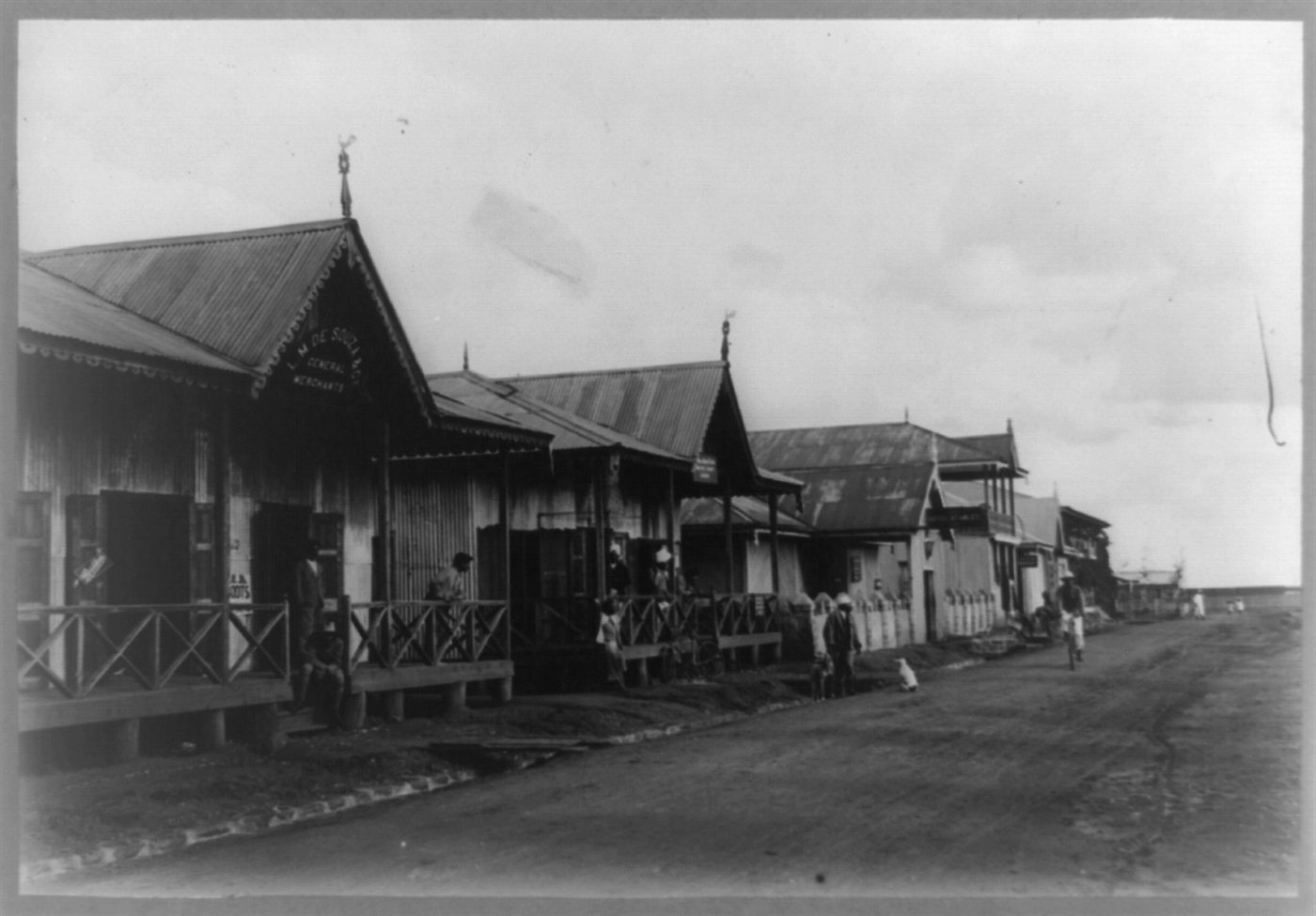
During his early adulthood, Kamau ventured beyond the familiar surroundings of Thogoto and central Kenya.
He spent part of the First World War period in Maasailand, where he encountered a different cultural and linguistic environment.
His experiences during these years were not those of a wealthy young man travelling for pleasure. They were part of the search for employment and opportunity in a territory undergoing rapid economic and social transformation.
He would eventually establish himself in Nairobi, a growing colonial settlement whose development was closely connected to the railway.
The city offered employment opportunities, but racial inequalities shaped where people could live, what work they could undertake and the opportunities available to them.
It was in this environment that Kamau began establishing an independent adult life.
Before public life, there was a family
Among the less frequently explored aspects of Kenyatta's early adulthood was his relationship with Grace Wahu.
Grace became his first wife, and their family grew to include a son, Peter Muigai, and a daughter, Margaret Wambui.
Margaret would later serve as Nairobi's mayor, establishing a public identity of her own.
Historical accounts differ over the precise year of their marriage, partly because customary and civil marriage arrangements occurred at different times.
What is clear is that Kenyatta entered family life well before achieving national political prominence.
He also carried responsibilities towards members of his extended family. Historical accounts record that he helped finance his younger brother's education.
Behind the public figure familiar to Kenyans today was once a young father balancing employment and family responsibilities.
The man who earned a living reading water meters
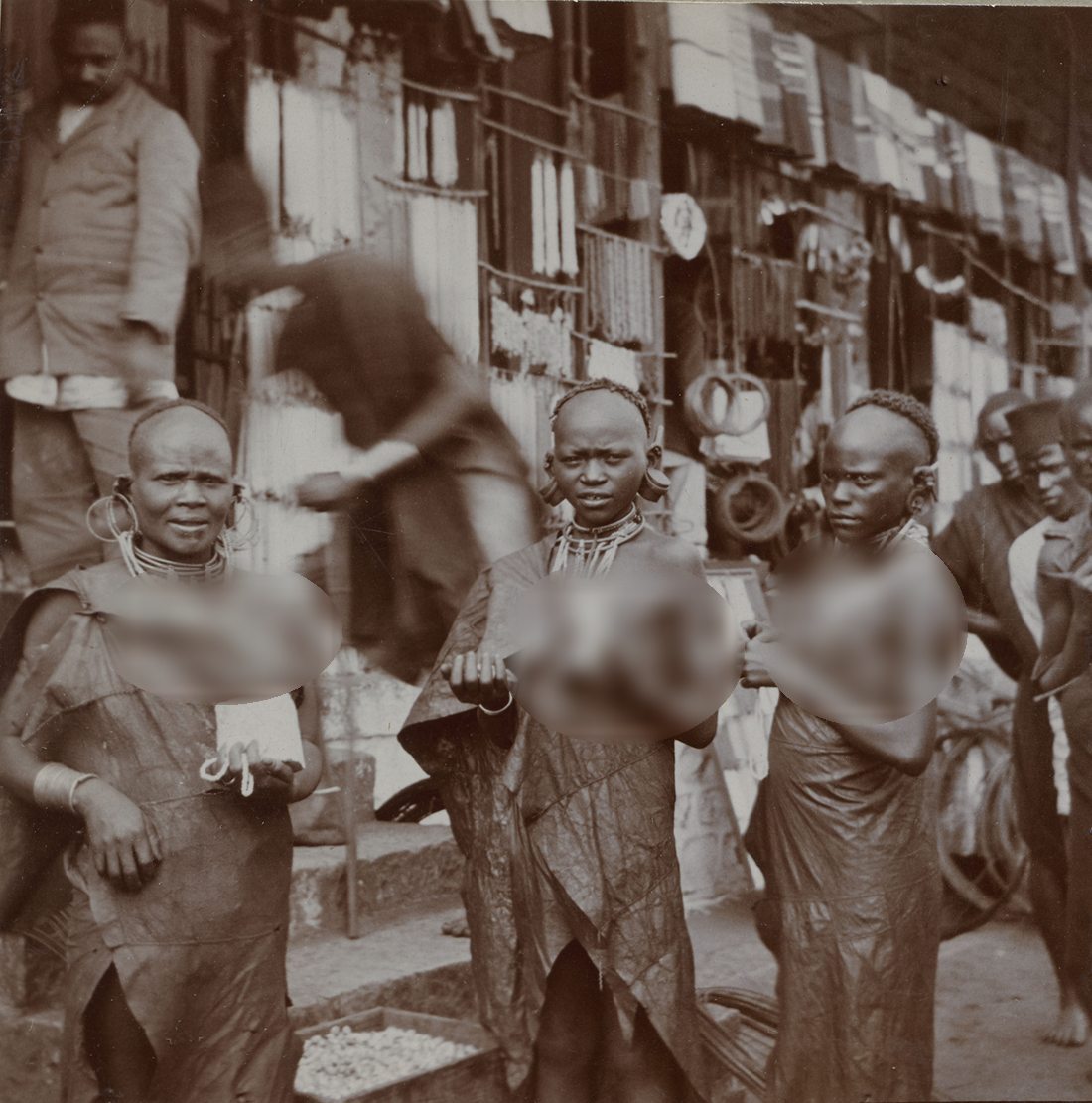
Perhaps the most unexpected occupation in Kenyatta's early biography was his employment with Nairobi's municipal water department.
During the 1920s, he undertook duties involving municipal stores and water-meter reading.
Historical accounts put his monthly earnings at 250 shillings, a substantial income for an African employee in colonial Kenya at the time.
His literacy, command of English and vocational background had helped him secure employment in a developing urban economy.
Long before he became associated with affairs of state, his working life involved the everyday operations of a municipal service.
It is a remarkable historical contrast: a man once employed in Nairobi's water department would eventually become president of the country in which that city stood.
Every great name has a beginning
Kenyatta's subsequent political career would become the subject of extensive historical writing, public debate and scholarly examination.
But that is another chapter.
His early years deserve attention in their own right.
They tell the story of a young man who experienced family tragedy, encountered new educational opportunities, acquired vocational skills and earned a living in a changing colonial society.
They also offer a glimpse into the experiences of an entire generation of Kenyans whose childhoods unfolded during the emergence of British colonial rule.
Before the international recognition, the political rallies and the presidential ceremonies, there was a boy called Kamau.
He had herded livestock. He had worked in kitchens and learned carpentry. He had become a husband, a father and a municipal employee.
The name that Kenya would one day recognise had not yet become famous.
His story had barely begun.
Sources & Historical References
- Kenya Presidential Library and Archives — H.E. Mzee Jomo KenyattaChildhood, schooling, employment and family
- Kenya Yearbook Editorial Board — Kenya's First President and Prime MinisterEarly upbringing and occupations
- South African History Online — Jomo KenyattaEarly education, apprenticeship, Maasailand years and municipal employment
- The Standard — The life and times of founding father Jomo KenyattaMarriage, baptism and municipal employment
- Encyclopedia.com — Jomo KenyattaBiographical details and uncertainty about his birth date
- The Standard — The Jomo Kenyatta who read water metersWater-meter reader salary of Sh250 a month
- Kenya Yearbook — Margaret Wambui Kenyatta, Nairobi's first female mayorMargaret Wambui Kenyatta's mayoralty
Before They Became Famous is an original IMMA News editorial series based on documented historical research. Historical photographs are reproduced under their respective licences. The written article is © IMMA Media; each photograph remains under the licence shown in its caption.